
 EN
 PL
 RU
 DE
 HU
 EE
 LV
 RO
 SI
 CZ
 LT

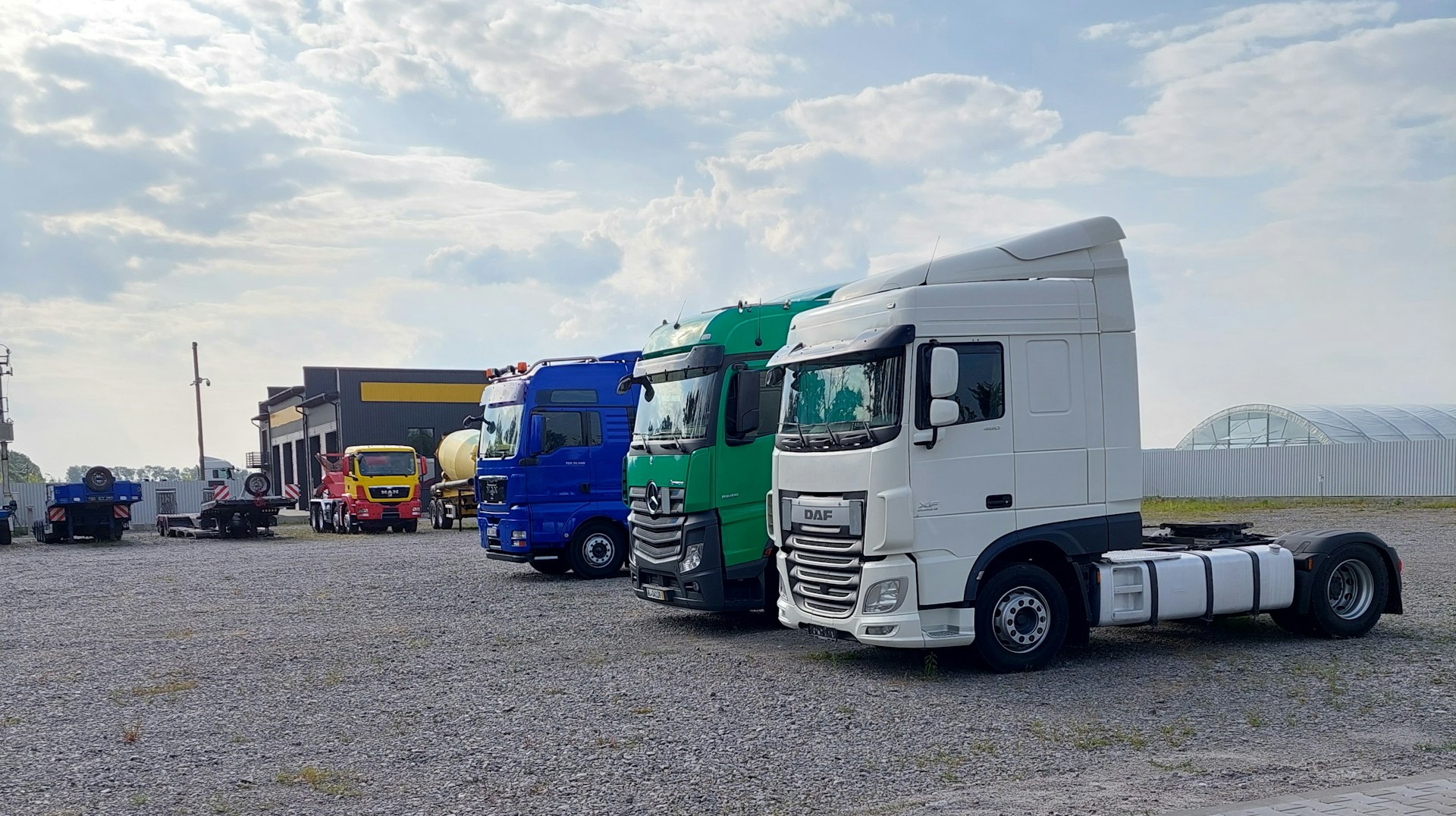
Importing a heavy commercial vehicle from Estonia into another European Union country provides transport operators with direct access to a wide selection of used trucks, including vehicles sourced from Nordic and Western European markets. This guide outlines the administrative steps, VAT treatment, cross-border logistics, and national registration requirements necessary to expand your fleet efficiently while minimising the risk of administrative delays.
Understanding the Import Process
Buying a used truck in Estonia for use in another EU member state is normally an intra-EU acquisition rather than a customs import from a third country. Where the truck is a Union good in free circulation, moving it between member states generally does not attract import duty. A vehicle’s physical presence in Estonia does not, on its own, establish that customs status. Buyers can source vehicles originally operated in Scandinavian and German fleets through Estonian dealers, but should verify the individual truck’s registration, technical specification and available maintenance documents.
Overview of Truck Import Regulations in the EU
Registration procedures are not identical across EU member states. Vehicles must meet the applicable technical and safety requirements, while their emissions classification, such as Euro V or Euro VI, depends on the individual vehicle’s age and specification. Previous EU registration can simplify the process, but the destination authority may still require technical checks or additional documentation. Confirm these requirements before purchase, particularly for modified or specialist vehicles. A transfer of Union goods between member states does not normally involve a new customs import procedure, but national registration and VAT obligations still apply.
Key Steps in Importing Vehicles from Estonia
Executing an intra-Community vehicle acquisition requires following a defined sequence of legal and operational steps:
- Commercial verification and securing clear ownership title directly from the seller
- Preparing the vehicle’s registration and technical documents and arranging deregistration in its current registration country where required
- Arranging transport logistics via road freight or self-drive transit with appropriate temporary registration and insurance
- Completing any technical inspections or conformity checks required in the destination country
- Completing official registration, applicable tax formalities, and obtaining local registration plates
Transport companies sourcing inventory through established dealers like Engeros Otepää OÜ can benefit from support with export documentation, transport arrangements, and logistics coordination, helping buyers navigate the administrative requirements of cross-border vehicle purchases.
Importance of VAT in Vehicle Imports
An Estonian VAT-registered seller may invoice a qualifying sale to a business registered for VAT in another EU member state as a zero-rated intra-Community supply. The conditions include a valid buyer VAT identification number issued by another member state, the truck actually being transported there, appropriate evidence of that movement and compliance with the applicable invoicing and reporting requirements. The buyer generally accounts for acquisition VAT in the destination country and may deduct it subject to local rules.
A VAT number alone does not establish entitlement to a 0% invoice. Agree the VAT treatment and the evidence required to document transport before payment and collection, especially if the buyer will drive the truck away. Different rules apply to vehicles sold under the second-hand goods margin scheme, so confirm the basis used on the invoice rather than assuming every used truck can be purchased net of VAT.
Preparing for the Import
Thorough administrative and logistical preparation helps prevent roadside delays, compliance penalties, and transit disruptions during vehicle relocation. Fleet managers must assemble technical documentation, schedule route planning, and evaluate seasonal transport conditions across Northern and Central Europe before transferring capital. Partnering with professional traders that maintain substantial inventories—such as facilities stocking over 250 vehicles—provides access to a broader selection of commercial vehicles and assistance with export procedures. Buyers should nevertheless verify the condition, mileage, and available service history of each vehicle individually before making a purchase.
How to Verify the Seller
Protecting capital investments requires systematic due diligence of the Estonian vendor before finalising financial commitments:
- Validate the vendor’s registration code and legal standing in the official Estonian Commercial Register (Äriregister)
- Check active EU VAT registration via the European Commission VIES portal
- Verify physical yard locations, company operating history, and standing as an international commercial vehicle dealer
- Request detailed visual documentation, available inspection records, mileage information, and service maintenance logs
Sourcing assets from reputable international traders with an established presence near Otepää since 2006 allows commercial buyers to work with experienced suppliers whose registration details and business history can be independently verified.
Deregistration Process in Estonia
Before arranging collection, confirm the truck’s current registration country, registration status and customs status. A truck located at an Estonian dealership is not necessarily registered in Estonia. Its documents and any deregistration procedure depend on the individual vehicle, not simply on the dealer’s location.
For a truck registered in Estonia, deregistration for transfer abroad is handled by the Estonian Transport Administration (Transpordiamet). The registered owner or authorised representative completes the relevant formalities and returns the Estonian registration plates. The authority records the deregistration on the registration certificate or its Part A, which is provided to the owner for use in the destination country. If the certificate has two parts, Part B is retained by the Estonian authority. Transit plates valid for up to 30 days may be obtained upon application and payment of the applicable state fee. For a truck registered elsewhere or already deregistered, agree the appropriate documents and collection arrangements with the seller before payment.
Agreeing on the Contract
A detailed commercial sales contract defines ownership transfer terms, payment arrangements, and the physical handover condition of the asset. The agreement should identify the vehicle through its complete Vehicle Identification Number (VIN), registration details, technical specifications, and agreed purchase price. Where relevant, the parties should also specify delivery terms, including any agreed Incoterms, and confirm the applicable VAT treatment. Defining transit risk boundaries, handover protocols, and delivery schedules within the contract helps prevent commercial disputes and provides a reliable documentary basis for financial auditing.
Logistics of Importing a Used Truck
Organising heavy commercial transport requires evaluating transit distance, operational expenses, driver availability, and equipment dimensions. Buyers evaluating specialised stock, such as long-haul tractor units or rigid configurations, can select between dedicated freight carrier transport and direct self-drive collection. The geographical position of Estonia facilitates overland connections through Latvia, Lithuania, and Poland, alongside maritime ferry routes to Finland and Sweden. These options provide access to major logistics centres across Northern and Central Europe.
Choosing a Shipping Method
Transporting a heavy vehicle from the Baltic region typically involves one of two established logistics methods:
- Professional low-bed or specialised vehicle transport: Haulage contractors transport the purchased vehicle using suitable trailers or vehicle carriers, avoiding additional mileage and wear on the acquired asset. Transport costs depend on vehicle dimensions, weight, distance, and any special permits required.
- Self-drive transit using export plates: A suitably licensed driver collects the vehicle under valid temporary registration and insurance. Before departure, confirm that the plates are recognised, the insurance is valid and the truck’s roadworthiness status meets the requirements throughout the planned route. Temporary plates alone do not establish that the vehicle is safe or legally ready to drive. Include fuel, road tolls, any ferry crossings and applicable driver requirements in the journey plan.
Required Documentation for Export
Prepare the relevant documents before the truck leaves Estonia. Confirm the exact requirements with the seller and the destination-country registration authority:
- Original registration documents from the vehicle’s current or previous registration country, with any required deregistration record; for a vehicle deregistered in Estonia, the endorsed registration certificate or Part A supplied by Transpordiamet
- Commercial sales invoice showing buyer and seller details, VAT information where relevant, VIN, and the applicable transaction terms
- European Certificate of Conformity (COC) or other technical documentation, where required by the registration authority in the destination country
- International consignment note (CMR), transport documentation, or other evidence of cross-border movement, depending on the transport method and applicable VAT requirements
Is Customs Clearance Required Between EU Countries?
Vehicles moving between Estonia and other EU member states generally do not require standard third-country customs clearance, provided they are Union goods in free circulation. The European Single Market allows such vehicles to move across internal borders without import tariffs or conventional customs declarations. However, buyers must retain appropriate documentation, including the supplier invoice, vehicle registration documents, and evidence of transport where necessary. These records help establish the legitimacy of the intra-Community transaction and support VAT reporting, registration procedures, and any relevant compliance checks.
Post-Import Considerations
Finalising the vehicle’s integration into an operational fleet requires completing the applicable domestic registration, technical verification, and insurance procedures. National authorities may request additional documentation or inspections depending on the vehicle’s specifications, previous registration, and local requirements. Commercial operating licences and transport authorisations, where necessary, are separate from vehicle registration. Timely execution of these post-arrival measures minimises downtime, allowing newly integrated assets to generate revenue on regional and international freight routes without unnecessary regulatory delays.
Registering Your Used Truck in the New Country
Domestic vehicle registration generally requires submitting the original registration documents from the truck’s current or previous registration country to the competent authority in the destination country. Depending on local regulations, the authority may request the commercial purchase invoice, proof of ownership, insurance documentation, evidence of roadworthiness, and additional technical certificates. Any applicable registration taxes or administrative fees must also be settled. Once the requirements are satisfied, the authority issues the national registration document and permanent licence plates. Vehicle registration does not, by itself, replace any separate operating authorisations needed for commercial transport.
Understanding EU Regulations for Used Vehicles
Commercial transport units must comply with applicable European and national technical standards regarding axle loads, braking efficiency, lighting configurations, and environmental classifications. Fleet operators should confirm that imported trucks meet the relevant emissions requirements for their intended routes, particularly when operating in urban low-emission zones or using motorways with emissions-based toll categories, such as the German LKW-Maut system. Directive 2014/45/EU establishes a framework for periodic roadworthiness testing, while national authorities determine the applicable inspection and registration procedures. Verifying these requirements in advance helps ensure that the imported vehicle can operate legally in its intended markets.
Dealing with UK Plates and Other Specific Cases
Acquiring vehicles with historical third-country registrations or non-standard regional specifications may require additional technical verification or adaptations. Vehicles originally manufactured for left-hand traffic may need modifications to their headlights or other equipment to satisfy continental European road standards. Furthermore, commercial vehicles previously imported into Estonia from non-EU jurisdictions, such as the United Kingdom following Brexit, should be checked for their current registration status and compliance with EU requirements. Where the vehicle has already been lawfully imported and released for free circulation within the EU, a subsequent sale between member states does not normally trigger a new customs import procedure. Buyers should nevertheless verify the available documentation and destination-country registration requirements before completing the transaction.
Before You Pay and Collect the Truck
Confirm the truck’s registration and customs status, the agreed VAT treatment, the original documents included in the sale and the collection arrangements before transferring the final payment. Check destination-country registration requirements with the relevant authority and confirm tax questions with your adviser. These checks help distinguish a straightforward intra-EU purchase from a vehicle that still needs customs, registration or technical work before it can enter service.
Sponsored article